How School Holiday Intensive Programs Build Skills Fast

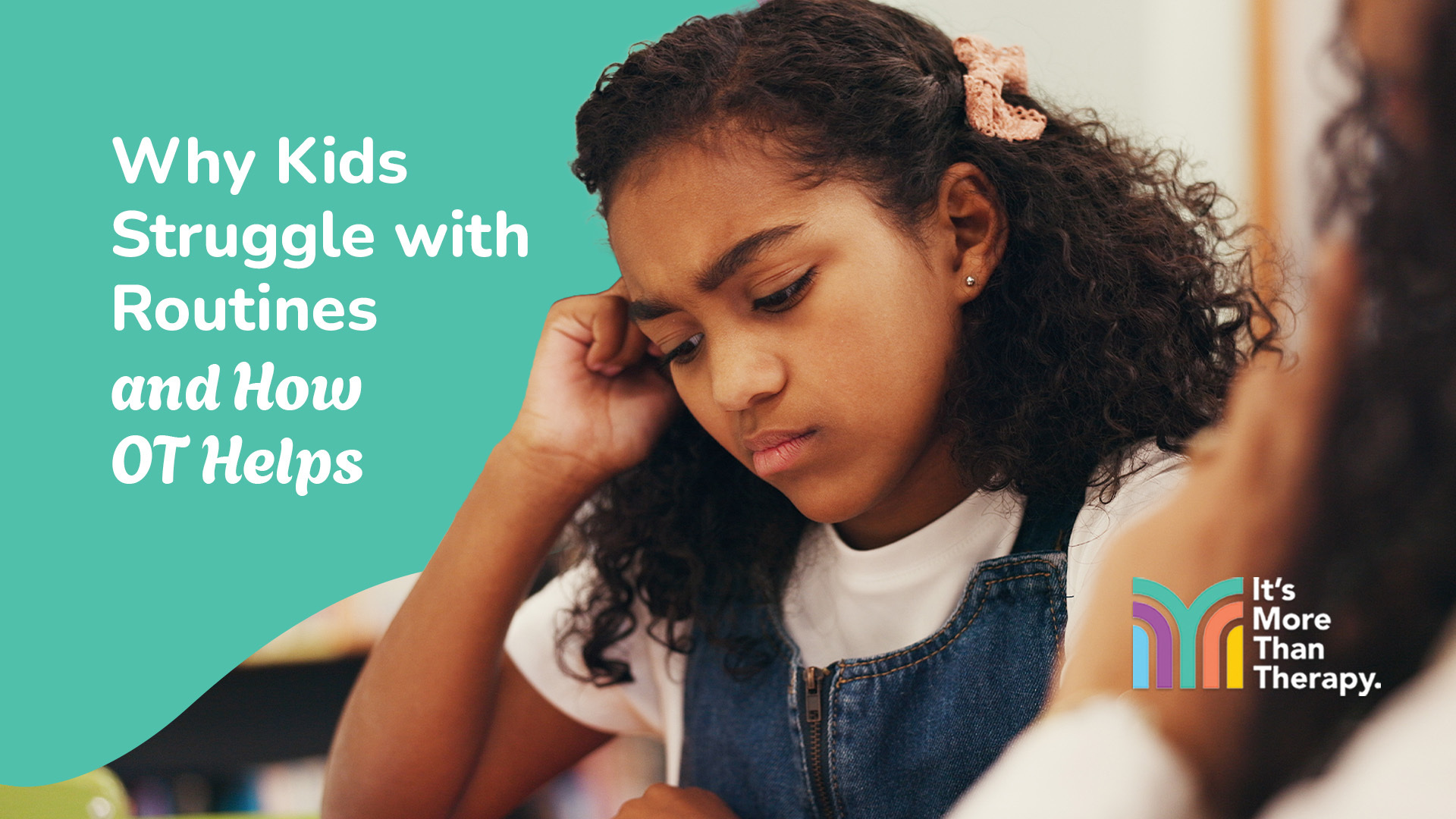
Why do some children struggle with everyday routines like brushing teeth, getting dressed, or going to bed?
Many kids, especially those with sensory, emotional, or developmental differences find daily routines difficult because they involve transitions, sensory input, and executive functioning skills. Through targeted support, paediatric occupational therapy helps children understand, tolerate, and eventually master these routines in a way that works for their unique needs.
For some children, routines are anything but routine. What might seem like a simple task, like putting on shoes or getting ready for bed, can quickly lead to anxiety, meltdowns, or resistance.
Here are a few reasons why:
Children with sensory processing differences may struggle with textures (like clothing tags), smells (like toothpaste), or physical sensations (like water during hair washing). These experiences can feel overwhelming or even painful.
Moving from one activity to another (e.g. from playtime to bedtime) can be emotionally difficult. Transitions require a child to stop one task, shift focus, and start another, which can cause stress and confusion.
Daily routines involve planning, sequencing, time awareness, and attention, all of which fall under executive functioning. If a child has difficulty in this area, even simple steps like “put on socks, then shoes” can feel disorganised or too hard to manage.
👉 Want to understand more about how executive function affects your child’s ability to complete daily routines? Read this guide on what executive function is from understood.org for further insights.
Some children become easily dysregulated during routines especially when tired, rushed, or overstimulated. Without the tools to manage their emotions, routines can quickly spiral into distress.
Neurodivergent children (including those with autism or ADHD) may rely heavily on sameness. Unexpected changes or variations in a routine can feel threatening or disorienting.
This is where paediatric occupational therapy plays a crucial role. Occupational therapists don’t just look at the behaviour, they dig deeper to understand what’s making a particular routine so hard for your child.
Here’s how OT supports kids and families:
Occupational therapists start with a detailed assessment to uncover what’s driving the routine challenges, whether it’s sensory sensitivities, motor planning issues, emotional regulation difficulties, or something else.
Visual schedules, routine charts, or first-then boards can help children anticipate what’s coming and feel more in control. These tools are often used in OT to increase predictability and reduce anxiety.
If toothbrushing is a trigger, for example, a paediatric OT might support the child in gradually building tolerance, first just holding the brush, then touching it to the lips, and so on. Progress happens in steps.
OTs use sensory-based interventions to help children feel more regulated throughout the day. This might involve using weighted items, movement breaks, or calming techniques before challenging routines like bedtime.
OTs help children learn how to plan, start, and complete tasks through repetition, modelling, and step-by-step guidance. Over time, children build independence and confidence in their daily routines.
If your child resists routines or finds everyday tasks overwhelming, it’s not a parenting failure, it’s a sign they need support. These challenges are common and valid, particularly for children who are neurodivergent or who experience sensory or emotional regulation difficulties. With the right approach, these difficulties can improve, and family life can feel more predictable and less stressful.
At It’s More Than Therapy, we specialise in paediatric occupational therapy that’s neuro-affirming, family-centred, and tailored to each child’s unique needs. Whether it’s helping your child with sensory processing, emotional regulation, or daily routines, our experienced OTs work with you to build practical strategies that work at home, school, and beyond.
We offer therapy in our fully equipped clinic, in your home, or out in the community, whatever works best for your family.
If your child struggles with daily routines and you’re not sure where to start, we’re here to help. Book an appointment or learn more about how paediatric occupational therapy at It’s More Than Therapy can support your child to build confidence, comfort, and consistency in everyday life.
👉 Contact us today to learn more or get in touch to speak with our team today.