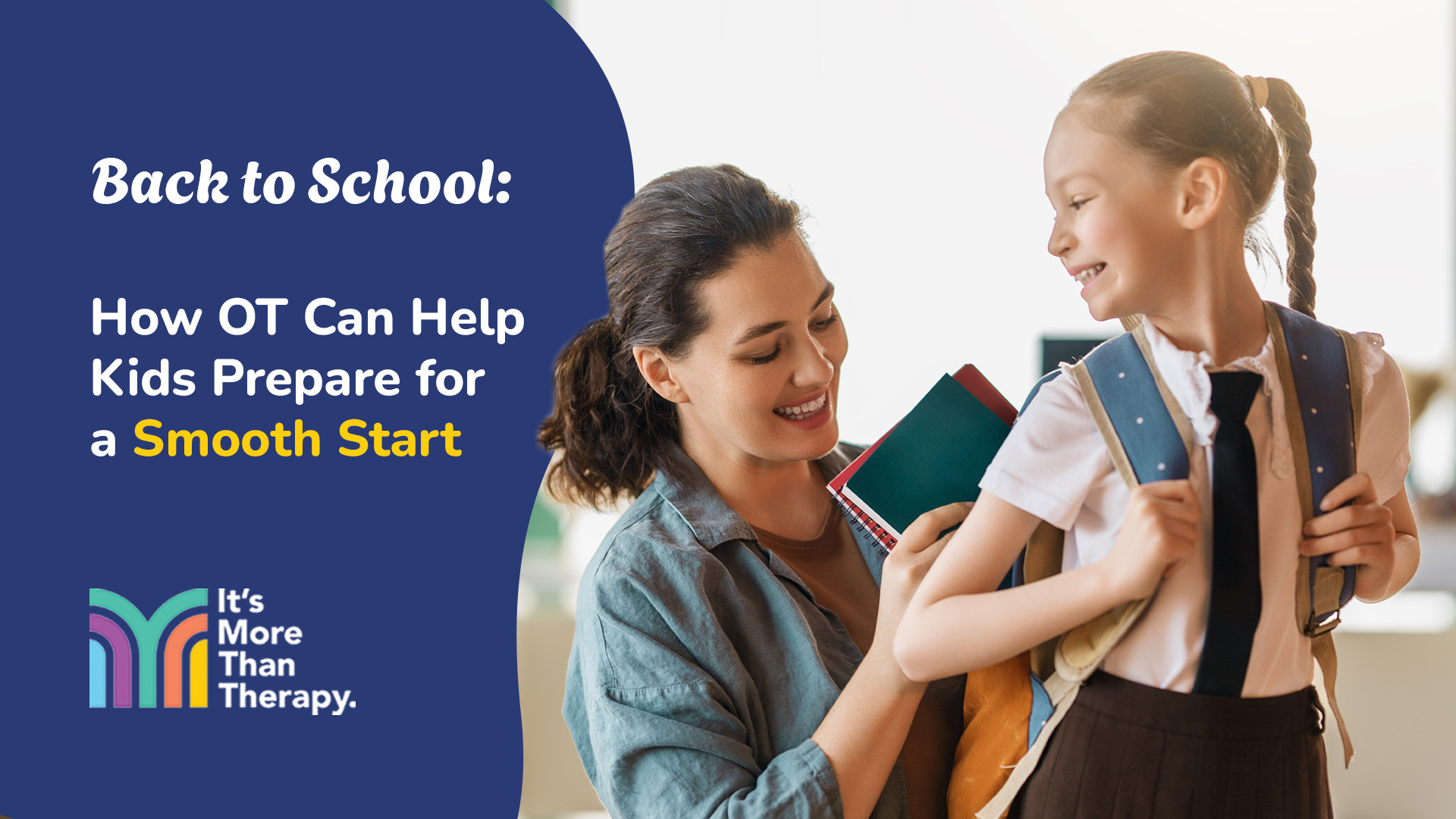
Back to School: How OT Can Help Kids Prepare for a Smooth Start

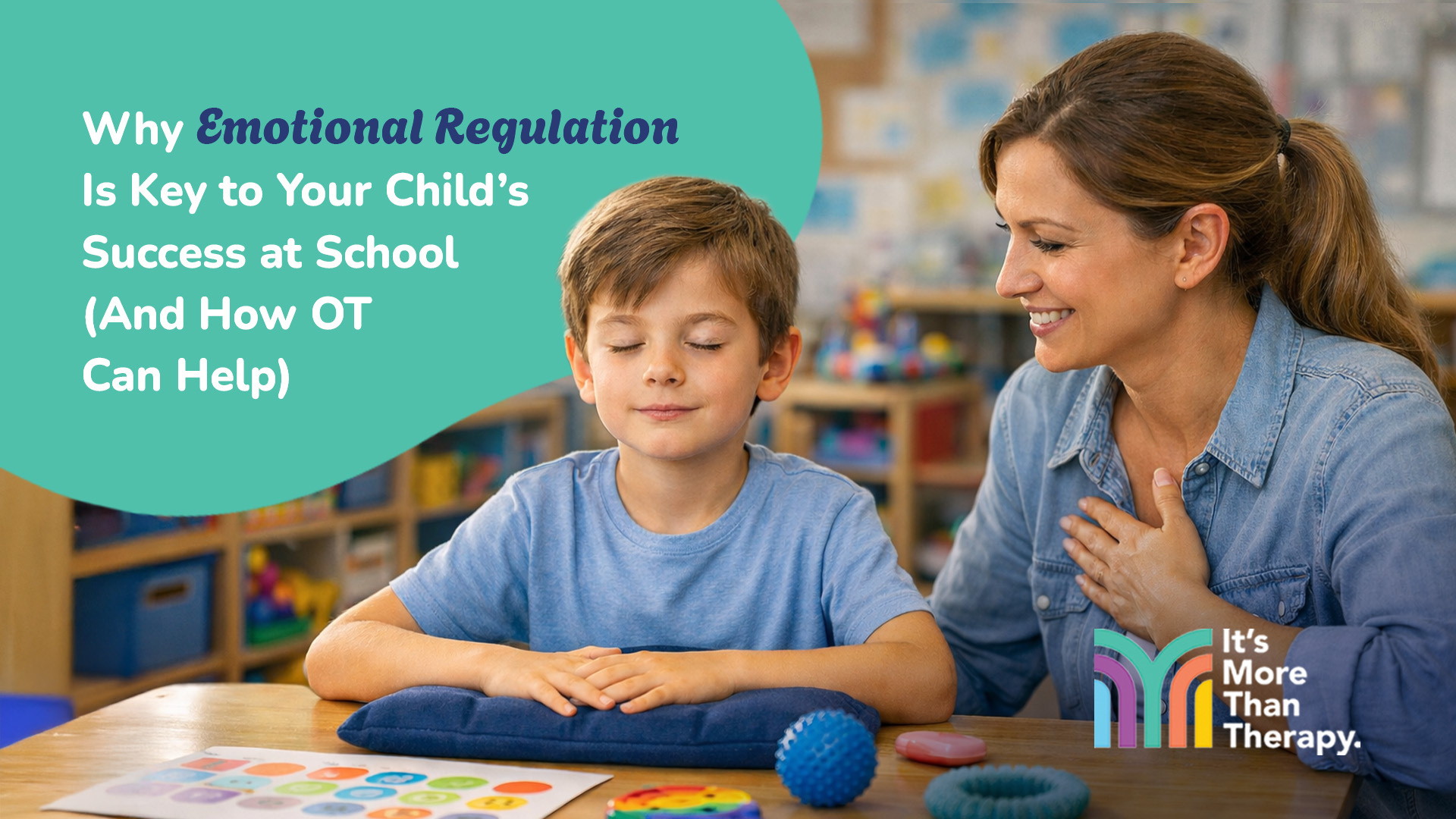
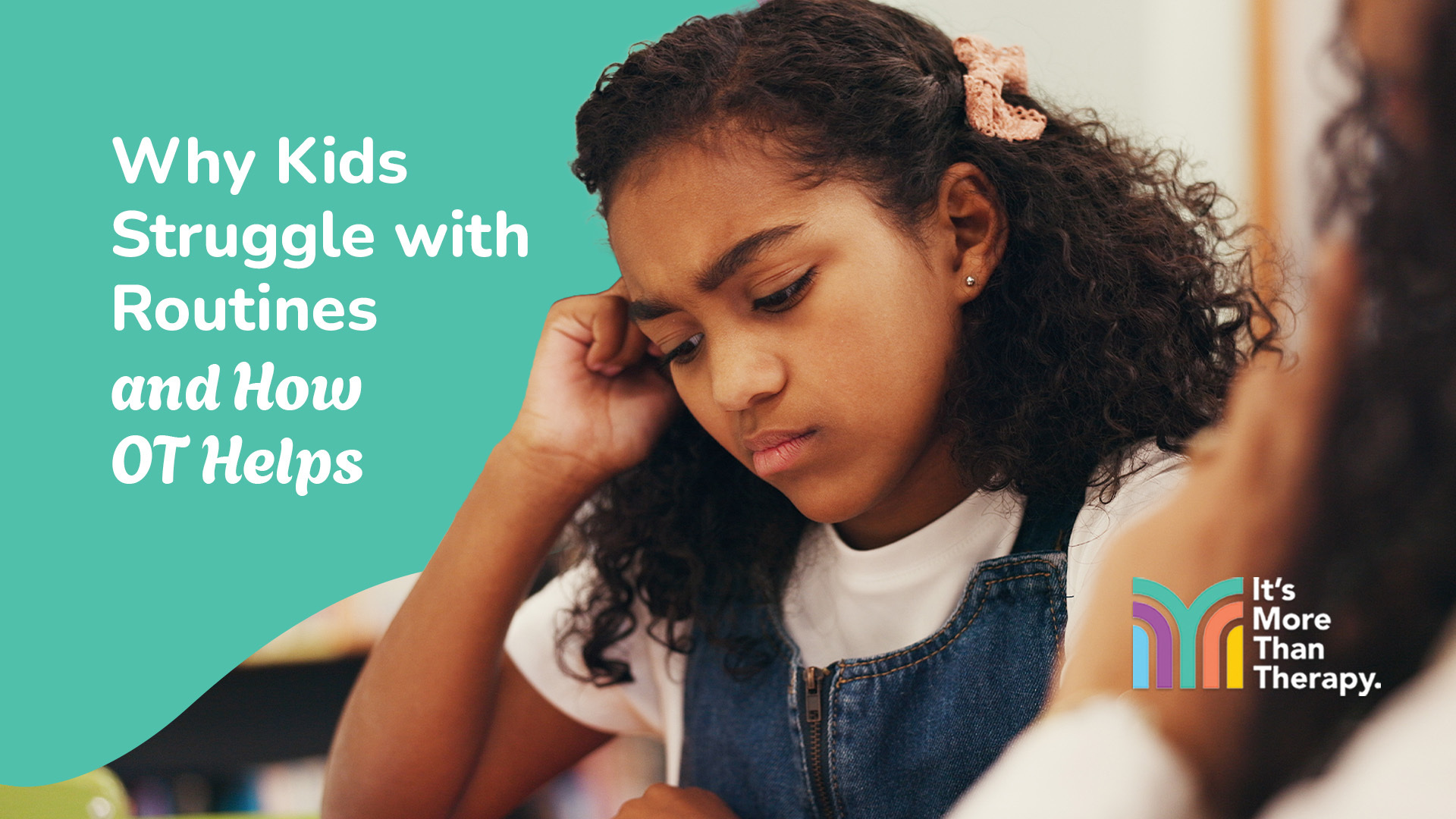
Why does my child struggle emotionally at school, even when they’re bright and capable? Many children find it difficult to manage big feelings in busy classroom environments. Emotional regulation is the ability to recognise, understand, and manage emotions appropriately. When this skill is still developing, children may experience meltdowns, shutdowns, anxiety, or difficulty focusing. Occupational therapy supports this growth through practical, play-based emotional regulation activities that build confidence and resilience.
Emotional regulation refers to a child’s ability to monitor and manage their emotional responses in different situations. At school, this might look like coping with frustration during learning tasks, handling playground conflicts, or transitioning between activities without becoming overwhelmed.
For many families, challenges with emotional regulation in preschoolers or early primary school years become more noticeable once school routines begin. That’s because classrooms place high demands on attention, flexibility, and self-control.
Targeted emotional regulation activities help children develop the skills needed to stay calm, focused, and engaged in learning. These activities aren’t about stopping emotions, they’re about teaching children how to move through them safely and confidently.
At It’s More Than Therapy in Wyong NSW, our therapists use structured, developmentally appropriate emotional regulation activities tailored to each child’s needs.
Examples include:
These types of emotional regulation activities for kids help build awareness, flexibility, and independence over time.
Many schools use frameworks like the emotional regulation zones model to help children identify their feelings. The zones of emotional regulation categorise emotions into colour-coded groups, helping children recognise when they are calm, frustrated, excited, or overwhelmed.
While we may introduce simplified strategies within therapy, a deeper explanation of the framework can be found here through this zones of regulation guide. Understanding the theory behind the emotional regulation zones can help parents reinforce consistent language at home.
Children may experience difficulties with emotional regulation for many reasons, including:
Children who require paediatric occupational therapy often benefit from structured support that addresses both sensory and emotional development.
When a child is dysregulated, their brain prioritises survival over learning. This means concentration, memory, and problem-solving are reduced.
Through consistent emotional regulation activities, children gradually develop:
This is why early support through occupational therapy for kids can make such a meaningful difference.
Occupational therapy for kids focuses on helping children participate fully in everyday activities including school.
At IMTT, our approach includes:
For families accessing NDIS occupational therapy, emotional regulation goals are often included within therapy plans under capacity-building supports. We also provide guidance on occupational therapy for kids at home, helping families implement practical strategies between sessions.
You may consider seeking support if your child:
Targeted emotional regulation activities delivered within paediatric occupational therapy can help address these challenges early.
Parents play an important role in reinforcing therapy strategies. Simple actions such as:
can significantly support progress. Our team at IMTT provides families with realistic, achievable strategies that fit naturally into daily life.
At It’s More Than Therapy, we take a neuro-affirming, family-centred approach. Our clinic in Wyong NSW offers a fully equipped environment designed to support regulation, skill development, and confidence building. We understand that every child’s emotional journey is different. That’s why our paediatric occupational therapy services are personalised, evidence-based, and collaborative.
Emotional regulation isn’t something children simply “grow out of”, it’s a skill that develops with guidance, practice, and support. If your child is struggling with school transitions, anxiety, or meltdowns, early intervention through structured emotional regulation activities can make a lasting difference.
Contact IMTT today to book an assessment or learn more about our paediatric occupational therapy services in Wyong NSW. We’re here to help your child build the skills they need to thrive, both inside and outside the classroom.