How School Holiday Intensive Programs Build Skills Fast

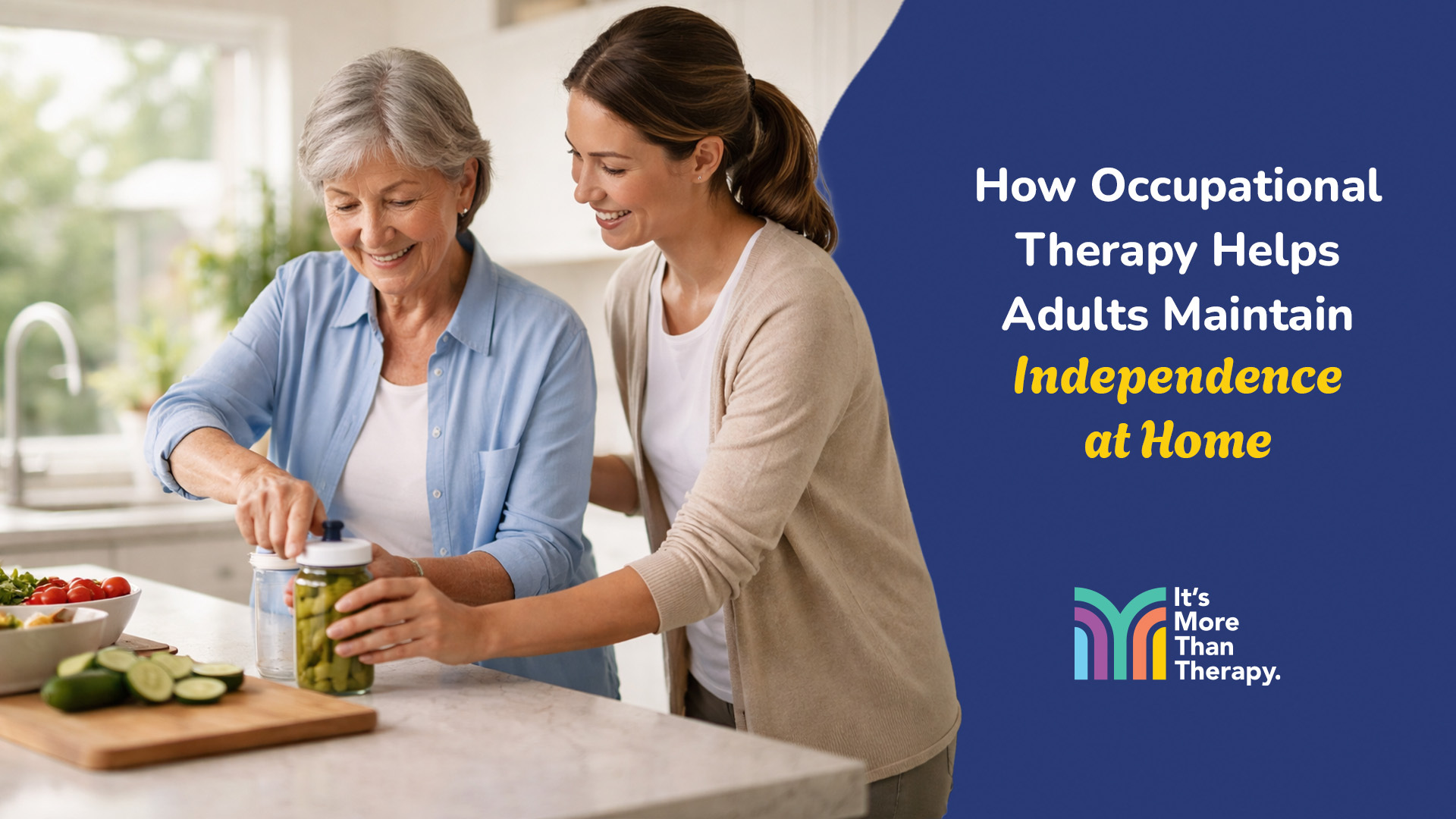
How can occupational therapy help adults stay independent at home?
Occupational therapy for adults supports people to build or maintain the skills needed for everyday living, from personal care to household tasks. Through tailored strategies, assistive technology, and environmental changes, occupational therapists help individuals live safely and confidently in their own homes, even when facing disability, injury, or ageing-related challenges.
Occupational therapy for adults focuses on helping individuals participate in meaningful daily activities. This can include everything from getting dressed and preparing meals to managing appointments and maintaining a safe home environment.
For those living independently with a disability, these everyday tasks can become more challenging over time. Occupational therapists assess these challenges and provide practical solutions that improve both safety and independence.
If you’d like a broader overview of how occupational therapy supports everyday independence, this guide from Better Health Victoria explains it in more detail here: Occupational Therapy
One of the key goals of occupational therapy for adults is to support independence in daily life. This is achieved by focusing on daily living skills – the essential tasks people need to manage at home and in the community.
These include:
By improving daily living skills, individuals can maintain control over their routines and continue living in their own homes for longer.
Occupational therapists work with individuals to develop or regain improved daily living skills, depending on their needs and goals.
This might involve:
For people accessing NDIS occupational therapy, these supports are often included under capacity-building services, helping participants achieve greater independence over time.
Assistive technology plays a significant role in supporting independence. Through assistive technology occupational therapy, therapists recommend tools and equipment that make daily tasks easier and safer.
Examples include:
For many individuals, assistive technology NDIS funding can be used to access these supports. Choosing the right equipment is essential, and occupational therapists ensure it is tailored to the individual’s environment and needs.
In some cases, changes to the home environment are needed to support independence. This is where NDIS home modifications come into play.
These may include:
An occupational therapy home assessment helps identify risks and recommend practical changes that improve safety and usability.
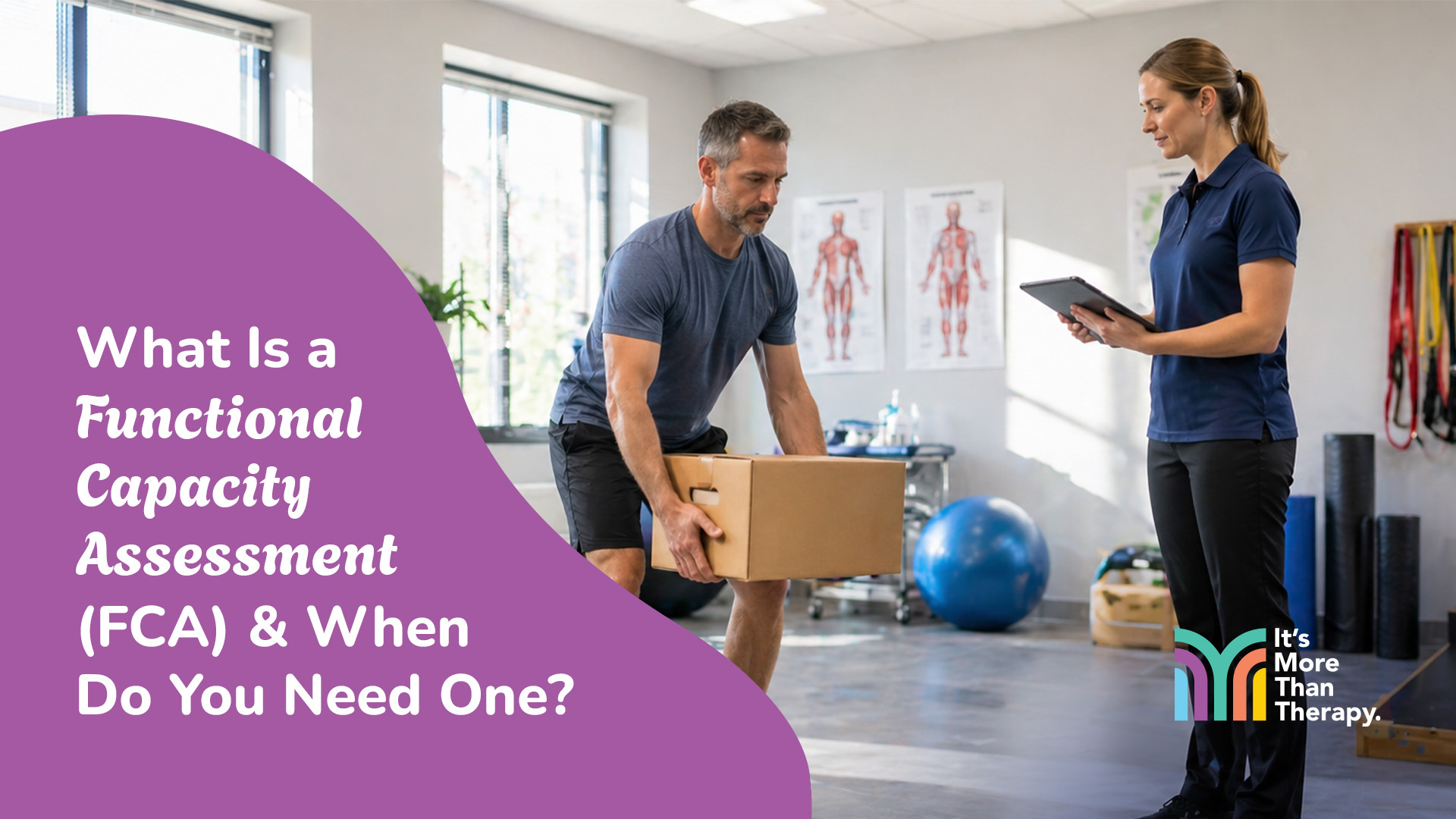
Assessments are a key part of the OT process. An occupational therapy assessment looks at how a person functions in their daily environment and what barriers may be present.
For NDIS participants, an NDIS occupational therapy assessment can help determine the level of support required, including recommendations for equipment, therapy, or home modifications.
These assessments ensure that supports are appropriate, effective, and aligned with the individual’s goals.
For many adults, NDIS occupational therapy provides access to essential supports that enable independent living.
Through occupational therapy services, individuals can receive:
These services are designed to support long-term independence and improve overall quality of life.
Maintaining independence is about more than completing tasks, it’s about dignity, confidence, and quality of life.
With the right support, individuals can:
This is why occupational therapy for adults plays such an important role in supporting both physical and emotional wellbeing.
At It’s More Than Therapy (IMTT), we provide personalised occupational therapy for adults across Wyong NSW and the Central Coast. Our team works closely with individuals, families, and support networks to deliver practical, tailored solutions that make a real difference in everyday life.
From NDIS occupational therapy assessments to assistive technology and home modifications, we focus on helping you achieve meaningful outcomes that support independence.
If you or someone you support is finding daily tasks more challenging, early support can make a significant difference.
Occupational therapy for adults can help build the skills, confidence, and an environment needed to live safely and independently at home.
Contact IMTT today to learn more about our services or to book an assessment in Wyong NSW.