How School Holiday Intensive Programs Build Skills Fast

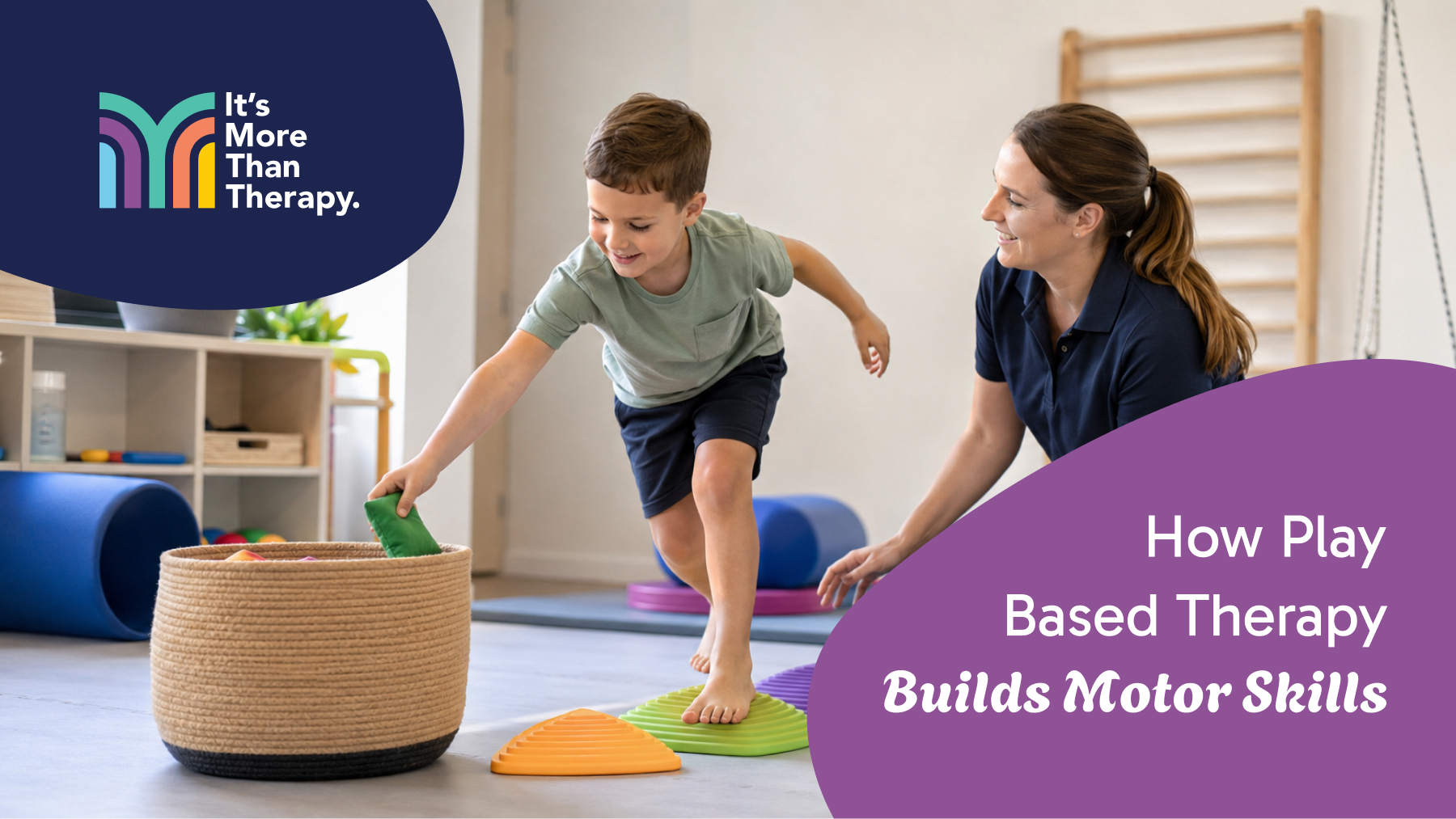
What are motor skills and how does play help children build them? Motor skills are the physical abilities a child needs to move, coordinate and control their body.
Play based therapy delivered by an occupational therapist, is one of the most effective ways to develop motor skills, as it incorporates movement and coordination into games that a child already enjoys.
Motor skills fall into two broad categories. Gross motor skills involve the large muscle groups used for balance, coordination and whole body movement, such as walking, running, jumping and climbing. Fine motor skills involve the small muscles of the hands and fingers, along with the coordination needed to use them with precision, such as holding a pencil, doing up buttons or using cutlery. Both develop together throughout childhood, and both respond well to a play based approach.
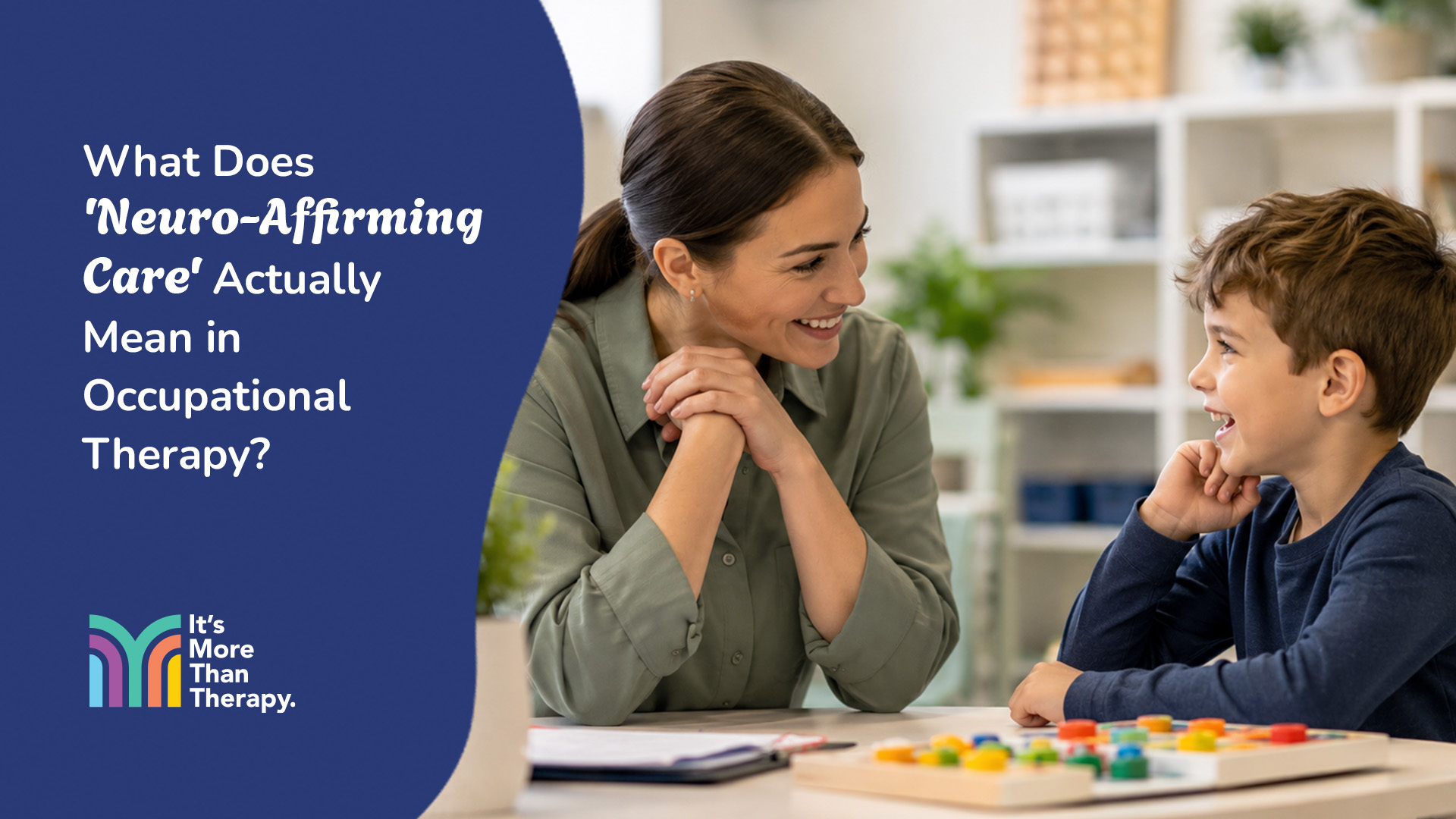
Play based therapy is a child led approach used by occupational therapists to support physical, sensory and social development. A therapist observes what a child naturally enjoys, then designs activities around that interest to target specific developmental goals. A pretend obstacle course might be building balance and core strength. A round of cutting shapes with scissors might be developing the exact hand muscles needed for writing. To the child, it looks like play. To a trained therapist, it is a carefully designed path toward a functional outcome.
Play is not just enjoyable, it is efficient. Children are wired to learn through repetition, and skills practised through play tend to stick faster than the same skills taught through instruction alone. When an activity is fun and self directed, a child will naturally repeat it again and again, building the neural pathways and muscle memory a new skill requires.
Gross motor skills are often the easiest to notice, since they involve big, visible movements. Activities that build these skills include:
Some of these, like kicking a ball or catching a beanbag, are what therapists call discrete motor skills, meaning they have a clear beginning and end. Others, like running or riding a bike, are continuous movements practised over time. Strong gross motor skills give children the confidence to keep up with peers, join in at sport and manage everyday tasks such as climbing stairs safely.
Fine motor skills take a little longer to develop and often need more targeted support. Activities that build these skills include:
Because these skills are practised through play rather than repetitive worksheets, children stay engaged far longer, and a therapist can adjust the activity in real time to keep it right at the edge of a child’s current ability.
Support for motor skills through play suits a wide range of children, including those working toward age appropriate milestones, living with a developmental delay or disability, or building sensory processing and coordination skills. It is also widely used within paediatric occupational therapy for children accessing support through the NDIS, since it builds functional daily living and participation skills in a way that feels natural rather than clinical.
If you have noticed your child finding certain movements tricky, whether that is holding a pencil, keeping their balance or joining in at the playground, it may be worth looking more closely at their development. At It’s More Than Therapy, our team of children’s occupational therapy specialists work with families across NSW to build a plan around what your child genuinely enjoys, so progress feels like a natural part of everyday life rather than an extra chore.
Get in touch with the IMTT team today to book an assessment and take the first step toward building the skills your child needs to thrive.